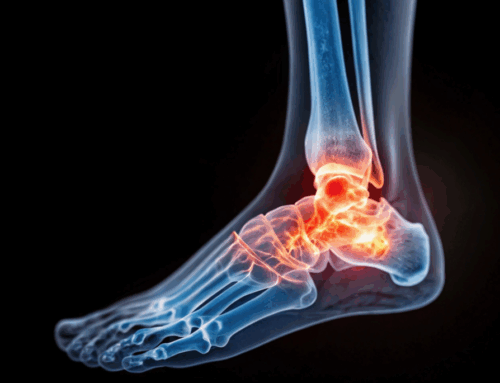
Feet and ankles support the body through every step, making daily movement a major factor in overall comfort. Even routine activities such as standing, walking, or climbing stairs can influence how feet feel at the end of the day.
Standing and Walking on Hard Surfaces
Hard surfaces like concrete or tile place extra pressure on the feet and ankles. Over time, repeated impact may lead to soreness or fatigue. Taking short breaks, alternating surfaces, and wearing supportive footwear can help reduce strain.
Footwear and Alignment
Shoes that lack proper support or fit poorly may affect alignment throughout the lower body. When feet are not well supported, stress can travel upward to the ankles, knees, and hips. Many individuals notice improved comfort when footwear better matches their activity level.
Repetitive Motion and Overuse
Daily routines often involve repeating the same movements. Over time, repetitive stress may affect tendons, joints, and soft tissues. Paying attention to how the feet feel during and after activity helps identify when rest or adjustment is needed.
When Professional Guidance Helps
If discomfort becomes frequent or limits daily activity, consulting a specialist can provide clarity. Providers offering foot and ankle care services help evaluate movement patterns and identify ways to support long-term comfort.
Understanding how everyday movement affects the feet allows individuals to make informed choices that support mobility and balance.