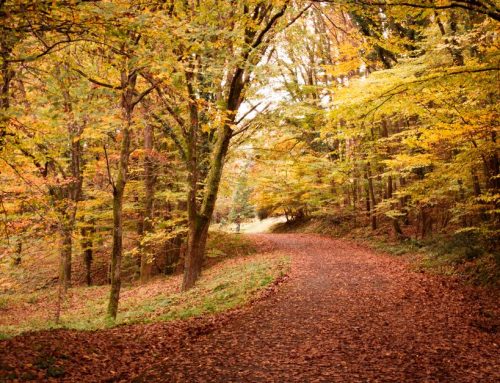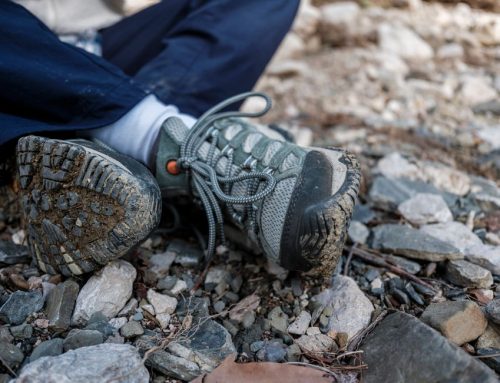
Every spring, the Boise Foothills fill up again. Table Rock, Hulls Gulch, Camel’s Back, Military Reserve—trails that sat under snow or mud for months are suddenly busy with hikers shaking off a long winter. And every spring, our office sees a predictable wave of patients limping in with a familiar complaint: a sharp, stabbing pain in the heel that’s worst with the first steps out of bed. It’s plantar fasciitis, and the timing is no coincidence.
What the Plantar Fascia Actually Does
The plantar fascia is a thick band of connective tissue that runs along the bottom of your foot, anchoring the heel bone to the base of the toes. It works like a bowstring, supporting the arch and absorbing load every time your foot hits the ground. When you walk on flat pavement, that load is relatively predictable. When you climb a rocky trail, it isn’t.
Plantar fasciitis sets in when small tears accumulate in that band faster than the tissue can repair them. The result is inflammation, stiffness, and that hallmark first-step pain in the morning or after sitting for a while.
Why Spring in the Treasure Valley Is the Perfect Storm
Most of the plantar fasciitis cases we treat in the Treasure Valley between March and May share a similar story. The patient had a quiet winter—less walking, more sitting, maybe some indoor workouts but nothing that loaded the feet for hours at a time. Then the weather turned, the trails opened, and they went from two miles a week to ten or fifteen almost overnight.
The fascia adapts to load, but slowly. Asking it to handle a sudden jump in mileage, especially on uneven terrain, is one of the most reliable ways to overwhelm it.
The Foothills Terrain Is Harder on Your Feet Than It Looks
Boise’s Foothills trails look gentle compared to what you’d find deeper in the Sawtooths, but they’re deceptively demanding on the plantar fascia. The decomposed granite surface shifts under each step. Switchbacks force your foot into repeated side-to-side angles. Loose rock and ruts mean your arch is constantly making micro-adjustments to keep you upright.
Every one of those adjustments is a small tug on the fascia. On a flat sidewalk, you might take 2,000 nearly identical steps in a mile. On Hard Guy or Polecat Loop, no two steps are quite the same, and the fascia is working overtime on each one.
The Footwear Problem
Spring is also when people pull last season’s hiking shoes out of the closet without thinking much about them. Midsoles compress with use and with age, and a pair of shoes that felt supportive a year ago may have lost much of its cushioning and arch support. Worn shoes shift more load onto the fascia, particularly at the heel.
The other common issue is the wrong shoe for the job. Trail runners are excellent for many Foothills routes, but they don’t offer the stability some feet need on longer or rockier outings. If you have flat arches or you overpronate, a minimally structured shoe can leave the fascia working without backup.
Early Signs You Shouldn’t Ignore
Plantar fasciitis rarely arrives overnight. It usually announces itself first as mild heel tightness in the morning that loosens up after a few minutes of walking. Hikers often dismiss this as normal soreness and keep adding miles. Within a few weeks, the morning pain gets sharper, lingers longer, and starts showing up at the end of the hike as well.
Caught early, plantar fasciitis usually responds well to conservative care—stretching, activity modification, supportive footwear, and sometimes a night splint or custom orthotic. Caught late, after months of compensation, it can take considerably longer to settle down.
How to Ramp Up Without Setting Off a Flare
The most useful rule we give Treasure Valley hikers is the 10 percent guideline: increase your weekly hiking mileage by no more than 10 percent over the previous week. It’s not glamorous, but it gives the fascia, the calf, and the small foot muscles time to adapt. Pair that with daily calf and plantar fascia stretches, especially before getting out of bed and before heading to the trailhead.
Pay attention to your shoes. If yours have more than 400 to 500 miles on them, or if the midsole feels noticeably softer than it used to, it’s time to replace them. For longer or rockier hikes, choose a shoe with real structure under the arch, not just cushion underfoot.
When to See a Podiatrist
If heel pain has lasted more than two or three weeks, if it’s keeping you off the trails you want to be on, or if it’s getting worse instead of better, it’s worth getting evaluated. Plantar fasciitis is one of the most treatable foot conditions we see, but the earlier we start, the shorter the road back. A proper exam can also rule out the handful of other problems—heel stress fractures, nerve entrapments, fat pad atrophy—that can mimic it.
Spring in the Foothills is short. If your heels are flaring up, don’t wait out the season hoping it resolves on its own. Schedule a visit, get a clear diagnosis, and build a plan that keeps you on the trail for the rest of it.